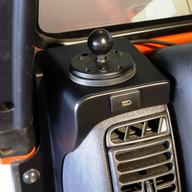
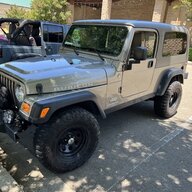
Given the limited rear view we have in lifted jeeps, I like the idea of a rearview camera mirror replacement. I did a bunch of research of it for my Jeep a while ago. Here are a few things to consider from what I learned.
1. See if you can find a system that is not just essentially strapped/rubber banded/clipped over an existing mirror. It not only looks janky, but also doesn't give me confidence that the attachments will not fail at some point due to exposure to UV/IR from sunlight and hot car interiors in summer time. And how well it fare if you take your jeep on the trails? Considering that you are going to this replacement effort to make something better .. try and find something that isn't a step backwards in function.
2. Most of these cameras try to bundle a forward dashcam and a high mounted rearview camera. Some of them support a 3rd camera input for a low mounted backup camera and then the LCD screen splits the view or lets you switch the view with a touchscreen or buttons or whatever. Pay careful attention to the usability of the system. How easy is it to switch between it being a mirror and LCD screen? How well controlled is glare/dimming? The rearview and the backup view also need different things prioritized for the best view so think about your needs very carefully and learn what works best. Study how the good OEMs do it in the newer cars in the market.
3. Most will advertise and lure you in with "4k ultra high definition" and you might think super amazing clarity like in a good desktop monitor or home TV watching Blu-ray. The sensor may be capable of recording in that, but the display itself will likely not be anywhere close to 4k. Be aware that the clarity you perceive is a combined function of the screen size, screen brightness/sharpness/contrast, screen resolution and the viewing distance from driver's seat. The "4k" number in most of these is for the dashcam - which you aren't going to be viewing as you are driving, even if that small LCD monitor were capable of displaying that in full resolution. The backup camera typically is usually lower resolution. The screen resolution itself maybe just 1080p or 720p and most likely not 4k (feel free to correct me if I am wrong here). As a guide, 1080p (1920x1080) is 2.1 mega pixels and 4k (3840 x 2160) is 8.3 mega pixels. 4k displays are expensive


4. The rearview .. unless the camera has good dynamic range and the system designed thoughtfully to reduce glare and offer some level of auto dimming like the OEM mirror does, night time vision may not be all that you are expecting. Study and understand the limitations of the setup that you are getting. Some systems are designed to mount the camera on the interior of the rear window glass and on some others, you will have to mount outside somewhere in which case the camera needs to be robustly housed and able to withstand the elements. Do your research.
5. Pay attention to overall integration. A lot of the cheaper setups are just a mess as to where they put the various camera input and power input, and you may end up with something like 2nd pic below, that you will be staring at everyday. Even the best possible job of cable routing cannot overcome poor product design.
6. Dashcam feature in these - make sure you understand all the things about wiring and power draw when you have the car switched off and parked. If you desire a dashcam, you may find that dedicated ones are much less obtrusive. But I understand the appeal of an all-in-one system for many people.
With
@mrblaine's help, a very good system just went into mine .. explained
here in detail. But I am guessing very few will spend what I chose to. Many folks might simply feel that they can live with mirror-on-mirror look and/or some wires sticking out as price to pay for the better view through the rear. Whatever floats your boat