Novak Conversions Jeep Wrangler TJ engine mounts

Overheating LJR

mazenkano

New Member
Original poster
Joined
Dec 2, 2024
Messages
6
Location
San Diego
I have a 2006 LJR with 100k miles, automatic, which I've only had for a few months. Today, it started overheating while going uphill in hail on trails with an ambient temperature of 78 degrees (San Diego weather). The engine temperature went up to 239 according to OBD2, but the oil pressure remained stable. The previous owner had done some work, replacing the thermostat, water pump, and more 10k miles ago, back in 2020. The radiator is not original, but the coolant and radiator appear clean. The fan clutch seems okay. I've had other TJs before and know they typically run between 210-220. What should I check?

468533208_28666959436236728_284090228598401209_n-2.jpg


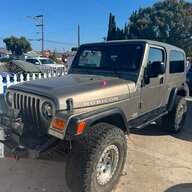
468983812_28666958376236834_1430652656833846531_n.jpg
 
I have a 2006 LJR with 100k miles, automatic, which I've only had for a few months. Today, it started overheating while going uphill in hail on trails with an ambient temperature of 78 degrees (San Diego weather). The engine temperature went up to 239 according to OBD2, but the oil pressure remained stable. The previous owner had done some work, replacing the thermostat, water pump, and more 10k miles ago, back in 2020. The radiator is not original, but the coolant and radiator appear clean. The fan clutch seems okay. I've had other TJs before and know they typically run between 210-220. What should I check?

View attachment 576756

View attachment 576757

Given the information you've provided, here are several areas to investigate:
  • Coolant Level & Condition: Even though the coolant looks clean, check the level in both the radiator and the overflow reservoir. Low coolant can lead to overheating. Also, verify that the coolant is the correct type for your Jeep.
  • Thermostat Function: Since the thermostat was replaced, it’s possible it might be sticking or malfunctioning. You can test it by removing it and placing it in hot water to see if it opens at the correct temperature.
  • Radiator Efficiency: While the radiator isn't original, its efficiency could be impacted by obstructions or internal issues. Inspect it for any blockages, dirt, or debris that might hinder airflow.
  • Fan Clutch Operation: You mentioned that the fan clutch seems okay, but you might want to manually test it. If you can spin the fan by hand when the engine is off, it should have some resistance. If it spins freely without resistance when hot, it might be failing.
  • Airflow: Ensure that there are no obstructions in front of the radiator that could hinder airflow. Also, check that the grille and vents are clear.
  • Head Gasket: Though it’s less likely with stable oil pressure, keep an eye out for any signs of coolant in the oil or vice versa, as this could indicate a blown head gasket.
  • Water Pump: Even if it was replaced, it's worth checking for leaks or signs of failure. Sometimes, a new part can be defective.
  • Idling Cooling Fans: Ensure the cooling fans are kicking on when the engine reaches higher temperatures. If they don't, it could lead to overheating when under load.
  • Driving Conditions: Tomorrow, take the Jeep out under similar conditions, but see if it overheats again. If it doesn't, there might have been unusual circumstances today impacting performance.
 
I'd certainly be starting with the thermostat...


-Mac
 
And burp your system.
X2 on that !
Hell I have a tool from "OEM Tools" that pulls a vacuum then with said vacuum it'll hold it sucks in the coolant right away!
Best tool I've bought so far 😁
I still squeeze all the hoses here and there with the cap off jeep off&on,No trapped air bubbles,no overheating !
I was surprised how much airpockets can affect the cooling on these I6's! No I know to thoroughly check for air bubbles 🙂
 
Novak Conversions Jeep Wrangler TJ engine mounts