Stover nuts, metal, locking nuts whatever you want to call them have a certain amount of resistance before they even snuggled up. How do you account for that when you’re trying to get to a certain torque setting for a fastener?
For example, if you are using a standard nut and bolt and you torque it to 50 pounds I think would give you a different clamping force than if you torque a bolt and stover nut to 50 pounds. Is that true or am I overthinking this?
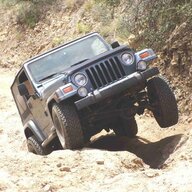
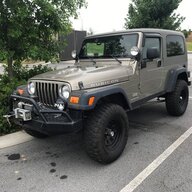
This question popped into my head last night as I was counting ceiling tiles, waiting to fall asleep. The reason I was thinking about this is I’m getting ready to reinstall my freshly rebuilt shocks on my Jeep. The factory torque setting for the lower rear shock bolts is somewhere around 55 pounds. My outboard shocks use Stover nuts and I don’t believe that if I torque them to 55 pounds I’ll have anywhere near the clamping force of a traditional nut and bolt torque to 55 pounds.
I think the real answer is twist them they are tight and there’s no movement, but just curious what those who have experience with fasteners think about this on a grander scale.
For example, if you are using a standard nut and bolt and you torque it to 50 pounds I think would give you a different clamping force than if you torque a bolt and stover nut to 50 pounds. Is that true or am I overthinking this?
This question popped into my head last night as I was counting ceiling tiles, waiting to fall asleep. The reason I was thinking about this is I’m getting ready to reinstall my freshly rebuilt shocks on my Jeep. The factory torque setting for the lower rear shock bolts is somewhere around 55 pounds. My outboard shocks use Stover nuts and I don’t believe that if I torque them to 55 pounds I’ll have anywhere near the clamping force of a traditional nut and bolt torque to 55 pounds.
I think the real answer is twist them they are tight and there’s no movement, but just curious what those who have experience with fasteners think about this on a grander scale.


 This engineer agrees with that engineer
  )
)