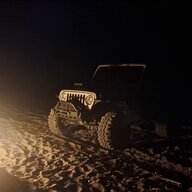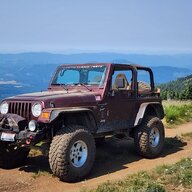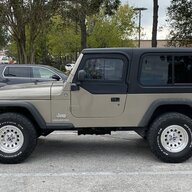
Howdy folks! I've got about...16k miles and 1 year in to the LS swap, and I figured I'd drop a bit of an update.
This thing is STILL a blast to drive, but I'll be honest, there have been a few times where I've had it with working on it and almost threw in the towel a few times. Almost sold it once (to finance building a 67 Suburban 3-door Hatch 6.0 LS cruiser)...but much like Michael Corleone and the Mafia..."just when I thought I was out...they pull me back in!" - they being the 8 cylinders of happiness under the Jeep's hood.
Things I've Learned:
Also including a link to a recent video of a cold start.


This thing is STILL a blast to drive, but I'll be honest, there have been a few times where I've had it with working on it and almost threw in the towel a few times. Almost sold it once (to finance building a 67 Suburban 3-door Hatch 6.0 LS cruiser)...but much like Michael Corleone and the Mafia..."just when I thought I was out...they pull me back in!" - they being the 8 cylinders of happiness under the Jeep's hood.
Things I've Learned:
- I still have a lot to learn.
- Check the gap on your piston rings thoroughly...if you don't, you might just lose a cylinder or more!
- This happened recently. I had replaced the pistons/rings and all bearings some time back, and I started noticing that the Jeep was consuming oil at an alarming rate (and wasn't leaking it out). Pulled the spark plugs one day just to see if something was amiss...and cylinder #7 (driver side closest to firewall) was the winner! (pic below)
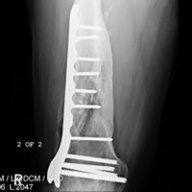
- Ended up doing a compression test on all cylinders and all were good except that one...I think I maybe registered 10psi at one point. Pulled the head and literally popped the cylinder out (had no tension against the cylinder wall - pic below). Luckily, there was no damage the cylinder wall, so I bought some new rings and a piston...and popped it back in. The difference was staggering. That thing must have been jacked up for a while and I just didn't notice it or thought it was because of the tune. Whatev...it's fixed now.
- Moral of the story...always check ALL the rings. I'm pretty sure I checked like 4-5 of them when I did all the pistons, and they were exactly the same, so I was like "must be all good"...yeah no.
- Take your time with the wiring - especially if you have repurposed an existing wiring harness. I think I've pulled/cut mine out at least 3 times now, and the last time, I decided I was going to take my time, make sure it was CLEANLY wrapped and routed...and had proper DT style connectors for the wiring that passes through the firewall (so I didn't have to cut the harness each time).
- Also...take advantage of the power available inside the cab already instead of running power/ground wires from the engine bay. I'm not sure why I did it that way initially...other than maybe I was just trying to get it to work so I could just get out and drive it already! LOL
- If you are tuning the motor yourself, take your time in learning the absolute basics of it all to save yourself some hassle down the road.
- First things first, get your idle right...and your base running airflow. If that's right, you won't have to chase idling issues when coming to a stop (follower/cracker/etc) or when running the AC. There are a lot of super helpful threads on the HP Tuners site that will steer you in the right direction.
- A lot of folks have said to "just slap the Jeep VSS signal into the GM PCM". Yeah...no. Don't do that. There are a lot of things at play and rely on appropriately calibrated speed...and once you have that right (I used a Dakota Digital unit to convert Jeep to GM signal), things just work as they are supposed to.
- I personally have had nothing but issues with the mass airflow sensor, so I have disabled it and run a straight speed density tune. If you have your idle right, and you then get your VE tables right...it's a thing of absolute beauty.
- Take your time and learn about what all those values can do when you change them in your tuning software. Don't just "adjust this" and "adjust that" blindly...understand what it is doing at the micro and macro level. This will help you later on down the road when you've got gremlins that creep up and need to diagnose an issue.
- Make sure you have a reliable fuel pump that can feed your injectors properly.
- I ended up upgrading to a higher flow Walbro unit since I have higher PSI injectors that came with my Gen 4 intake manifold.
- Make sure your custom exhaust you had made for the swap can be separated in multiple pieces at the skid/cross-member...or get comfy with cutting/welding.
- It's beyond helpful to be able to remove the front half of the exhaust to be able to access the oil pan in an unrestricted manner.
Also including a link to a recent video of a cold start.